
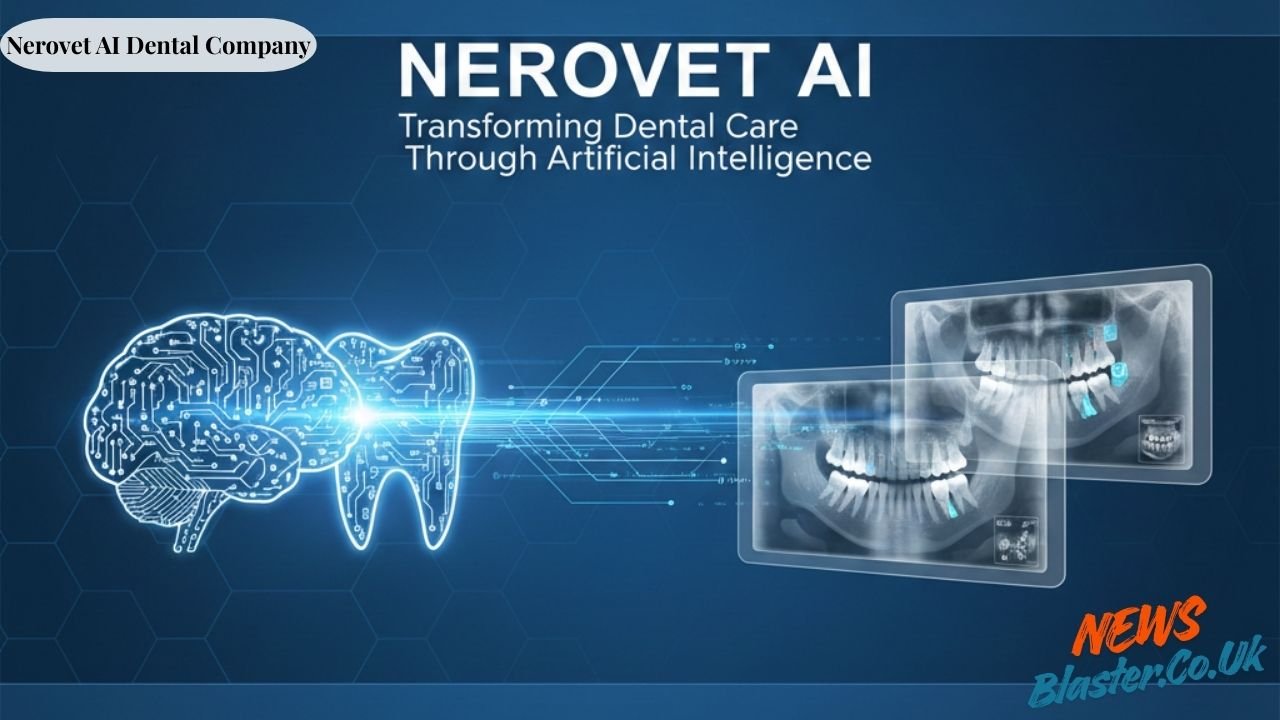
Introduction to Nerovet AI
The landscape of dental healthcare is experiencing a remarkable transformation, driven by cutting-edge artificial intelligence solutions. At the forefront of this revolution stands the Nerovet AI dental company, an innovative force that’s reshaping how dental professionals approach patient care and diagnosis.
This pioneering organization has developed AI-powered dental health technology that bridges the gap between traditional practices and modern innovation. The company’s mission centers on making dental care more accessible, accurate, and efficient for both practitioners and patients. What sets this venture apart is its comprehensive vision that encompasses both veterinary and human dental applications, creating a versatile platform that serves diverse needs across the dental healthcare spectrum.
The distinction between veterinary and human dental applications showcases the company’s adaptability and commitment to addressing various market segments. Whether it’s analyzing a pet’s oral health or assisting human dentists with complex diagnoses, the technology demonstrates remarkable versatility in its approach to dental care.
Core Technology & How It Works

AI Foundation
The technological backbone of Nerovet AI dentistry relies on sophisticated deep learning algorithms and advanced machine learning models that have been meticulously trained to recognize dental conditions with impressive precision. At its core, the system employs computer vision technology that can analyze dental images with a level of detail that complements human expertise.
One of the most notable aspects of the pet dental scanner is that it’s powered by GPT-4 Vision, leveraging one of the most advanced AI models available today. This foundation enables the system to process and interpret dental imagery in ways that were previously impossible with conventional software.
The training process involves exposure to extensive dental image datasets, encompassing thousands of cases across various conditions, ages, and dental health scenarios. This comprehensive training ensures that the AI can recognize patterns and anomalies that might escape even experienced practitioners during routine examinations.
Technical Process
The technical process begins with image acquisition and analysis, where the system accepts dental photographs or scans as input. The AI then performs pattern recognition and anomaly detection, comparing the submitted images against its vast database of learned dental conditions and normal presentations.
Real-time data processing ensures that results are available almost instantaneously, allowing for immediate clinical decision-making. Perhaps most importantly, the system incorporates a continuous learning and improvement mechanism that enables it to become more accurate and reliable with each analysis performed.
Key Features & Capabilities

Diagnostic Functions
The diagnostic capabilities of Nerovet AI dental technology extend far beyond basic visual inspection. The system excels at cavity detection, identifying even the earliest signs of decay that might be difficult to spot during standard visual examinations.
Tartar and plaque identification represent a crucial function, helping practitioners develop targeted cleaning and prevention strategies. The AI’s ability to assess gum inflammation provides valuable insights into periodontal health, enabling early intervention before conditions worsen.
Tooth discoloration analysis helps identify potential underlying issues that might indicate decay, medication effects, or dietary impacts on dental health. The system’s capability for early detection of periodontal disease represents one of its most valuable features, as catching gum disease in its initial stages can prevent serious complications and tooth loss.
Root fractures and bone loss identification through advanced imaging analysis provides critical information for treatment planning. Additionally, the platform includes oral cancer screening capabilities, adding an extra layer of preventive care that could potentially save lives through early detection.
Treatment Planning
Beyond diagnosis, the technology offers personalized treatment recommendations based on the specific conditions identified in each patient’s dental assessment. Predictive analytics for future risk assessment helps practitioners and patients understand potential long-term outcomes and take proactive measures.
3D imaging integration for implant planning brings precision to complex procedures, ensuring optimal placement and outcomes. Visual treatment simulations allow patients to see potential results before committing to procedures, improving understanding and increasing treatment acceptance rates.
Workflow Management
The system streamlines practice operations through automated scheduling and appointment reminders, reducing administrative burden and improving patient compliance. Digital charting and documentation eliminate paperwork while ensuring comprehensive record-keeping.
Billing automation simplifies financial operations, while electronic health record integration ensures seamless information flow across all aspects of practice management. These workflow enhancements allow dental professionals to focus more time on patient care rather than on administrative tasks.
Benefits for Dental Professionals

Dental professionals who adopt this technology experience enhanced diagnostic accuracy and consistency across all patient examinations. The AI acts as a second set of eyes, reducing the possibility of overlooked conditions and ensuring thorough evaluations.
Time efficiency and reduced chair time benefit both practitioners and patients, allowing practices to serve more people without sacrificing quality of care. Cost savings through optimized workflows translate directly to improved practice profitability and sustainability.
Reducing human error in diagnosis and treatment planning leads to better patient outcomes and fewer liability concerns. Data-driven decision making provides practitioners with objective information to support their clinical judgment, creating a more evidence-based approach to dental care.
Administrative burden reduction frees up valuable time and resources that can be redirected toward patient care and practice growth. In today’s competitive healthcare environment, adopting advanced technology provides a significant competitive advantage in modern practice, helping attract tech-savvy patients who value innovation.
Benefits for Patients
From the patient’s perspective, the advantages are equally compelling. Early disease detection and prevention capabilities mean that problems can be addressed before they become serious, painful, or expensive to treat.
Faster diagnosis and reduced waiting times improve the overall patient experience, making dental visits more efficient and less stressful. Personalized treatment plans ensure that each patient receives care tailored to their specific needs and circumstances.
Increased transparency and understanding come from visual aids and detailed explanations that help patients comprehend their dental health status and treatment options. Reduced treatment costs through prevention represent significant financial benefits, as addressing issues early almost always costs less than treating advanced conditions.
Lower anxiety through visual aids helps nervous patients feel more comfortable and informed about their dental care. Improved overall treatment outcomes result from the combination of early detection, accurate diagnosis, and personalized treatment approaches.
The convenience of remote consultations represents a modern solution for busy individuals who might otherwise delay or skip dental appointments. This accessibility can significantly improve overall dental health outcomes across populations.
Specific Applications

General Dentistry
In general dentistry settings, the technology enhances routine examinations by providing a comprehensive analysis of overall oral health. Preventive care planning becomes more targeted and effective when supported by AI-driven insights about potential future issues.
Orthodontics
Orthodontic applications include aligner and braces treatment optimization, where the AI can help predict tooth movement patterns and optimize treatment plans. Movement pattern prediction enables practitioners to anticipate challenges and adjust approaches before problems arise.
Pediatric Dentistry
Pediatric dentistry benefits from child-friendly interactive visuals that make dental visits less frightening for young patients. Anxiety reduction tools help create positive dental experiences that can establish good oral health habits for life.
Oral Surgery
In oral surgery contexts, real-time surgical guidance provides valuable support during complex procedures. Bone density evaluation assists with implant planning and other surgical interventions that require a precise understanding of jaw structure.
Veterinary Applications
The veterinary applications represent a unique and valuable aspect of the platform. Pet dental health screening for dogs and cats provides pet owners with easy access to professional-grade dental analysis. The quick photo-based analysis approach means that no appointment is needed—owners can simply take a photo and receive insights about their pet’s oral health.
Integration & Compatibility
The system demonstrates impressive compatibility with existing dental technology infrastructure. Integration with digital imaging devices, intraoral scanners, and 3D imaging and CBCT scans ensures that practices can leverage their existing equipment investments.
CAD/CAM systems compatibility supports digital workflow for restorative procedures. Practice management software integration streamlines operations, while electronic health record connections ensure comprehensive patient information management.
One of the most attractive features for many practices is that minimal infrastructure upgrades are required for implementation. This accessibility makes advanced AI technology available to practices of various sizes and budgets.
Real-World Success Stories
The practical benefits of this technology are evident in numerous real-world applications. A mid-sized clinic reported reducing examination time by 30% after implementation, allowing them to serve more patients without extending hours or adding staff.
A pediatric practice found that the visual aids and interactive features significantly improved treatment planning discussions with parents and young patients. An urban office experienced increasing treatment acceptance rates as patients gained a better understanding of their conditions through AI-enhanced visualizations.
A California practice noted reduced patient anxiety levels, particularly among individuals who previously experienced dental phobia. Meanwhile, a Texas clinic improved appointment attendance by implementing automated reminders and follow-up systems integrated with the AI platform.
Pricing & Accessibility
For Pet Dental Scanner
The pet dental scanner offers a free plan that includes 3 analyses per month, making it accessible for pet owners who want to monitor their animals’ oral health. Paid subscription options provide additional analyses for those with multiple pets or who want more frequent monitoring.
The monthly reset of usage ensures that free plan users maintain ongoing access, while flexible cancellation policies provide peace of mind for subscribers.
Cost-Effectiveness for Dental Practices
For dental practices, the investment demonstrates cost-effectiveness through multiple channels. ROI through efficiency gains typically materializes within the first year of implementation, as practices can serve more patients with existing resources while improving care quality.
Data Security & Privacy
Data security and privacy represent paramount concerns in healthcare technology. The platform employs robust encryption protocols to protect sensitive patient information during transmission and storage.
HIPAA compliance and adherence to healthcare standards ensure that the system meets all regulatory requirements for patient data protection. The commitment to no third-party data sharing ensures that patient information remains confidential.
Patient data protection measures include multiple layers of security, while secure storage systems employ industry best practices to prevent unauthorized access or data breaches.
Challenges & Considerations
Despite its many advantages, adopting AI dental technology does present some challenges. Initial investment costs can be significant for smaller practices, though the long-term benefits typically justify the expense.
A learning curve for dental professionals means that practices need to allocate time and resources for training. Data privacy concerns, while addressed through robust security measures, remain a consideration that practices must manage carefully.
Technology dependency risks include the potential for system downtime or technical issues affecting practice operations. Accessibility for smaller practices may be limited by budget constraints or technical infrastructure limitations.
The need for human oversight and clinical judgment remains critical—the AI functions as an assistant, not a replacement for professional expertise. This distinction is important for maintaining quality care and meeting professional standards.
Future Developments
Emerging Technologies
The future of AI in dentistry includes exciting emerging technologies on the horizon. Robot-assisted micro procedures could bring unprecedented precision to delicate dental work. Smart toothbrushes with data upload capabilities could provide continuous monitoring of oral health between dental visits.
Tele-dentistry expansion will make expert dental consultation accessible to remote and underserved areas. Wearable oral health sensors could provide real-time monitoring and alerts about developing issues. Virtual reality training tools will enhance dental education and skill development for practitioners.
Industry Trends
Industry trends point toward a fundamental shift from reactive to preventive care, with AI playing a central role in early detection and intervention. Integration with lifestyle and genetic data could enable truly personalized dental care strategies.
Expansion to developing markets will bring advanced dental care to populations that currently lack access to modern dental services. Enhanced remote consultation capabilities will continue to improve convenience and accessibility for patients worldwide.
Training & Education
The integration of AI modules in dental schools ensures that future practitioners are prepared to work with advanced technology from the start of their careers. Clinic workshops and online courses provide current practitioners with the knowledge they need to effectively implement and utilize AI tools.
Continuous professional development opportunities keep dental professionals updated on the latest advancements and best practices. Virtual reality practice simulations offer safe, repeatable training experiences that build competence and confidence.
Comparison with Traditional Methods
Comparing AI-enhanced approaches with traditional methods reveals significant advantages in speed and efficiency gains. What might take multiple visits and consultations can often be accomplished more quickly with AI assistance.
Accuracy improvements stem from the AI’s ability to detect subtle patterns and early-stage conditions that might be missed during standard examinations. The shift toward a preventive versus reactive approach represents a fundamental improvement in how dental care is delivered.
The complementary role to human expertise is perhaps the most important aspect—the technology enhances rather than replaces professional judgment, creating a powerful synergy between human skill and artificial intelligence.
Conclusion
The transformative impact on dental care delivered by AI technology is undeniable. As the industry continues to evolve, the balance of technology and human touch will remain essential to delivering compassionate, effective care.
The future outlook for AI in dentistry appears exceptionally bright, with continued innovation promising even greater capabilities and accessibility. This evolution represents a fundamental shift toward patient-centric care that prioritizes prevention, personalization, and optimal outcomes.
As dental practices and pet owners alike discover the benefits of AI-enhanced dental care, the technology is poised to become a standard component of modern oral health management. The journey toward this future is already well underway, driven by innovators committed to improving dental care for all.
Also Read: Software Dowsstrike2045 Python Complete Guide to Next-Generation Framework