
Introduction
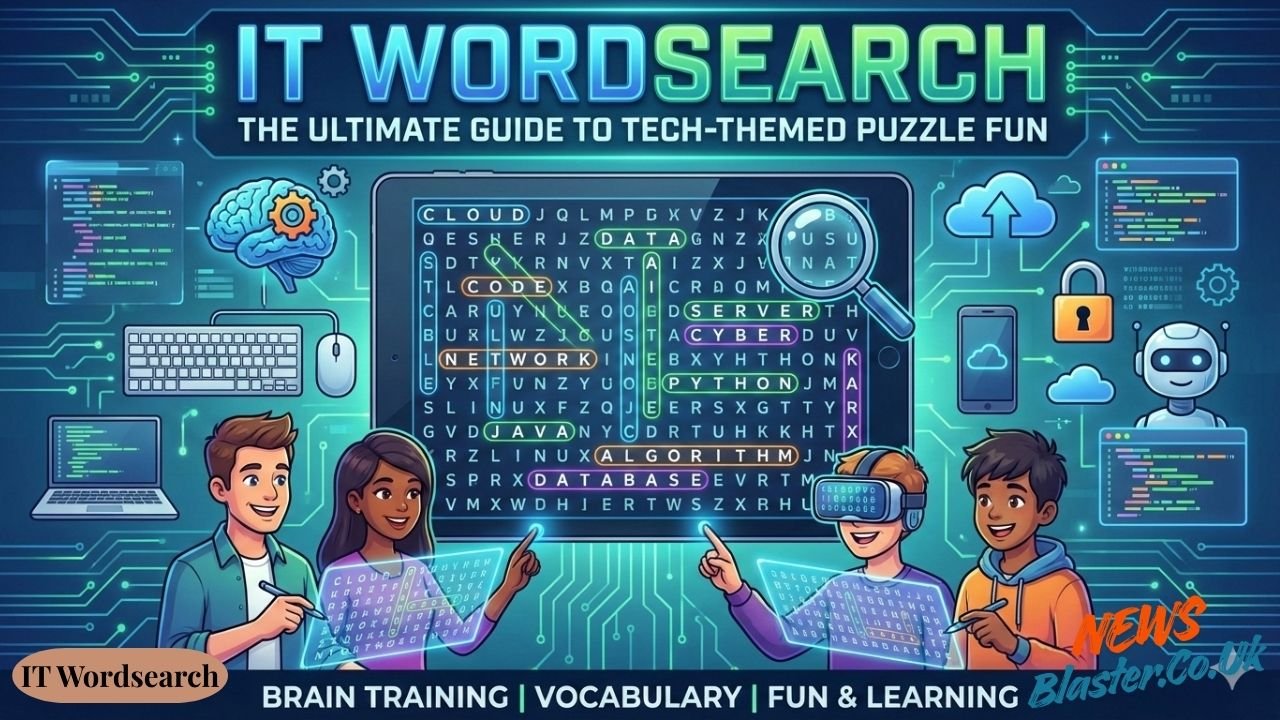
IT wordsearch puzzles combine fun and learning uniquely. These engaging games challenge the brain while reinforcing valuable technical vocabulary. Whether someone is an IT professional, student, or hobbyist, solving these puzzles can enhance knowledge and cognitive skills. The beauty of these activities lies in their ability to make education feel effortless and enjoyable.
These brain training exercises have become increasingly popular in educational settings and corporate environments alike. They offer a refreshing break from traditional learning methods while still delivering substantial educational value. Tech enthusiasts worldwide are discovering how these simple yet effective tools can sharpen their minds and deepen their understanding of information technology concepts.
What Makes IT Wordsearch Puzzles Special?
IT wordsearch puzzles stand out as more than just casual entertainment. They serve as powerful educational tools that blend cognitive development with practical knowledge building. Unlike standard puzzles, these tech-focused variations immerse players in industry-specific terminology, making them invaluable for anyone working in or studying technology fields.
The friendly nature of these games makes them accessible to learners at all levels. Beginners can start with simpler grids containing basic terms, while advanced users can tackle complex puzzles featuring specialized jargon. This flexibility ensures that everyone finds appropriate challenges that match their skill level and knowledge base.
Creating Your Own IT Wordsearch

Planning Your Puzzle
Creating an IT wordsearch begins with careful planning. First, one should identify the target audience and their knowledge level. This determines which technical terms to include and how complex the puzzle should be. Students learning basic concepts need different vocabulary than experienced professionals seeking advanced challenges.
Grid size selection plays a crucial role in puzzle difficulty. Smaller grids work well for quick activities, while larger ones provide extended engagement. The typical range spans from 15×15 grids for beginners to 25×25 grids for experts seeking intensive brain training sessions.
Selecting Technical Vocabulary
Word selection requires thoughtful consideration. The best IT wordsearch puzzles incorporate a balanced mix of terminology from various technology domains. Hardware terms like CPU, RAM, and motherboard can combine with software concepts such as debugging, compiler, and algorithm. Networking vocabulary, including bandwidth, protocol, and firewall, adds another dimension.
Cybersecurity terms deserve special attention, given their growing importance. Words like encryption, malware, phishing, and authentication help players familiarize themselves with critical security concepts. Cloud computing terms such as virtualization, deployment, and container technologies reflect modern IT trends.
Design Considerations
Effective puzzle design involves strategic word placement. Words can run horizontally, vertically, or diagonally in forward or backward directions. This variety increases difficulty and keeps solvers engaged. Overlapping words add complexity while maximizing grid space usage.
The number of words included typically ranges from twenty to forty, depending on grid size and intended difficulty. Balancing common terms with specialized vocabulary ensures puzzles remain challenging yet solvable. Including an answer key helps learners verify their solutions and builds confidence.
Educational Benefits of IT Wordsearch Puzzles

Vocabulary Reinforcement
These puzzles excel at reinforcing technical terminology through active engagement. Unlike passive reading, searching for words requires players to actively recognize and recall terms. This active learning process strengthens memory retention and helps cement vocabulary in long-term memory.
Students particularly benefit from this approach. When preparing for certification exams or coursework, regular puzzle-solving helps familiarize learners with industry terminology. The repetitive exposure to terms like database, query, SQL, and metadata builds comfort with technical language that might otherwise seem intimidating.
Cognitive Skill Development
Beyond vocabulary building, IT wordsearch puzzles enhance various cognitive abilities. Pattern recognition improves as players scan grids for letter combinations. Attention to detail sharpens when distinguishing between similar words. Problem-solving skills develop through strategic search approaches.
These brain training benefits extend beyond technology contexts. The mental agility gained from regular puzzle-solving transfers to other areas, improving overall cognitive function. Many professionals use these activities as mental warm-ups before tackling complex projects or attending important meetings.
Professional Development Applications
In corporate settings, IT wordsearch puzzles serve multiple purposes. They make excellent icebreakers for team meetings or training sessions. New employees can use them to learn company-specific terminology and systems. Departments can create custom puzzles featuring internal tools and processes.
These activities also work well for professional development programs. Career changers entering the IT field benefit from exposure to industry terminology in a low-pressure, game-like environment. The friendly competition that often develops around puzzle-solving can boost team morale and encourage collaboration.
Solving Strategies for IT Wordsearch Puzzles

Systematic Approaches
Successful puzzle solvers often employ systematic strategies. One popular method involves scanning the grid row by row, looking for the first letter of target words. Another approach focuses on finding longer words first, as they’re often easier to spot and provide anchor points for locating shorter terms.
Experienced players develop personal techniques based on their strengths. Some prefer working through the word list alphabetically, while others group terms by category. Visual learners might highlight found words in different colors, creating patterns that help locate remaining terms.
Tips for Efficiency
Improving solve times comes with practice and technique refinement. Starting with less common letters can help narrow down word locations quickly. Letters like Q, X, and Z appear infrequently, making words containing them easier to spot. Looking for word endings like “-tion” or “-ing” can also speed up the search process.
Taking breaks during longer puzzles prevents mental fatigue and maintains focus. Fresh eyes often spot words that seemed invisible moments before. This technique proves especially valuable when tackling advanced puzzles with dense letter grids and numerous terms.
Online Resources and Tools
Digital Platforms
Numerous websites offer IT wordsearch puzzles for immediate play. These online platforms provide various difficulty levels and themed collections. Some sites allow users to generate custom puzzles by inputting their own word lists, perfect for educators creating targeted learning materials.
Digital versions offer advantages over printed puzzles. Interactive features like timers add competitive elements, while hint systems help when players get stuck. Progress tracking lets solvers monitor their improvement over time, turning puzzle-solving into measurable skill development.
Creating Digital Puzzles
Many free tools enable anyone to create professional-looking IT wordsearch puzzles. These generators typically require only a word list and grid size specification. Advanced options let creators control word placement, difficulty settings, and visual styling.
Educators appreciate these tools for producing classroom materials quickly. Custom puzzles can align perfectly with current curriculum topics, reinforcing lessons in engaging ways. Businesses use similar tools to create training materials that introduce employees to new systems or terminology.
Themed Variations and Specializations
Security-Focused Puzzles
Cybersecurity wordsearches concentrate on protective technologies and threat terminology. These specialized puzzles might include terms like antivirus, breach, SSL, and hacker. They serve as excellent training tools for security awareness programs, helping employees recognize and remember important concepts.
Organizations conducting security training often incorporate these puzzles into their programs. The casual format reduces anxiety around technical topics while ensuring thorough terminology coverage. Participants learn critical concepts without feeling overwhelmed by dense technical documentation.
Networking Specialization
Network-focused puzzles emphasize connectivity and communication terms. Words like router, ethernet, WiFi, and packet help players understand infrastructure concepts. These puzzles benefit network administrators, students pursuing networking certifications, and anyone interested in understanding how digital communication works.
Including terms like DNS, IP address, and VPN in networking puzzles familiarizes solvers with everyday internet technologies. This knowledge proves valuable for both professional development and personal digital literacy improvement.
Programming and Development
Developer-oriented puzzles feature programming languages and software development concepts. Terms like Python, Java, syntax, variable, function, and API appear frequently. These puzzles help programmers internalize terminology across different languages and frameworks.
Students learning to code find these puzzles particularly helpful. Seeing terms like compiler, debugging, and algorithm in puzzle contexts reinforces classroom learning. The repetition helps build confidence with vocabulary that initially seems foreign and complex.
Classroom Applications
Teaching Tool Integration
Teachers incorporate IT wordsearch puzzles into computer science courses effectively. These activities work well as warm-up exercises, review sessions, or substitute teacher materials. They provide structured learning time while maintaining student engagement through game-like mechanics.
Puzzles can be tailored to match specific lesson plans. After teaching about operating systems, teachers might create puzzles featuring related terms like browser, software, application, and interface. This immediate reinforcement helps students retain newly learned concepts.
Assessment and Review
Educators use wordsearch puzzles as informal assessment tools. Observing which terms students struggle to find reveals knowledge gaps requiring additional instruction. Timed puzzles can measure familiarity with terminology, while discussion afterward clarifies any confusion.
Review sessions before exams benefit from puzzle integration. Students enjoy the change from traditional study methods, and the active engagement promotes better retention than passive review. Group puzzle-solving encourages peer learning and collaborative problem-solving.
Corporate Training Uses
Onboarding Programs
New employee onboarding often includes IT wordsearch puzzles featuring company-specific terminology. These activities familiarize new hires with internal systems, tools, and processes in a welcoming, low-pressure format. The approachable nature helps reduce first-day anxiety while conveying important information.
Custom puzzles can introduce proprietary software names, department acronyms, and company protocols. This playful introduction to organizational vocabulary helps new team members feel more confident during their initial weeks. It also provides talking points for conversations with colleagues.
Team Building Activities
IT departments use wordsearch puzzles for team building exercises. Competitive solve-offs create friendly rivalry while reinforcing shared technical knowledge. Teams can create puzzles challenging other departments, fostering inter-departmental communication and understanding.
These activities work particularly well during conferences, retreats, or training days. They provide mental breaks that still relate to professional development. The casual atmosphere encourages participation from team members who might hesitate to engage in more formal learning activities.
Benefits for Different Audiences
IT Professionals
Working professionals use IT wordsearch puzzles to stay sharp and current with evolving terminology. Regular puzzle-solving maintains familiarity with both foundational concepts and emerging technologies. This ongoing engagement helps prevent knowledge stagnation and keeps technical vocabulary fresh.
Professionals preparing for certification exams find puzzles valuable study tools. They provide quick review sessions that fit into busy schedules. The engaging format makes study time feel less burdensome, encouraging consistent practice leading up to exam dates.
Students and Learners
Students at all levels benefit from IT wordsearch integration into their study routines. These puzzles transform memorization tasks into enjoyable activities. Visual and kinesthetic learners particularly appreciate the interactive nature compared to traditional flashcards or reading assignments.
Self-directed learners exploring technology topics can use publicly available puzzles to build foundational vocabulary. This groundwork makes technical documentation and tutorials easier to understand. Starting with puzzle-based learning reduces intimidation factors that sometimes discourage people from pursuing tech interests.
Enthusiasts and Hobbyists
Tech enthusiasts enjoy IT wordsearch puzzles as recreational brain training. They provide satisfying challenges that combine personal interests with mental exercise. Hobbyists often seek increasingly difficult puzzles as their knowledge expands, turning puzzle-solving into a progressive skill development activity.
These individuals frequently share favorite puzzles within online communities, creating social connections around shared interests. Discussion forums and social media groups dedicated to tech puzzles foster learning communities where members exchange tips, create custom puzzles, and celebrate achievements.
Advanced Puzzle Features
Difficulty Scaling
Advanced IT wordsearch puzzles incorporate multiple difficulty layers. Larger grids naturally increase challenge, but clever design adds subtlety. Backward diagonal words prove harder to spot than horizontal ones. Including uncommon technical terms tests expert knowledge beyond basic vocabulary.
Some creators include red herrings—letter combinations that almost form words but don’t quite match. This technique increases difficulty significantly and requires solvers to verify each potential find carefully. Such features appeal to experienced puzzle enthusiasts seeking maximum challenge.
Educational Enhancements
Adding definitions or clues beside word lists transforms simple puzzles into comprehensive learning tools. Solvers must match terms to meanings before searching, reinforcing understanding beyond mere recognition. This approach particularly benefits learners encountering unfamiliar terminology.
Context-based puzzles present scenarios requiring specific vocabulary. For example, a puzzle might describe a network problem and include only terms relevant to troubleshooting that issue. This targeted approach builds practical knowledge alongside vocabulary recognition.
Digital vs. Printed Formats
Print Advantages
Printed IT wordsearch puzzles offer tactile satisfaction that many solvers prefer. Physical pencil-and-paper interaction provides a break from screen time, valuable in tech-heavy environments. Print formats work anywhere without requiring devices or internet connectivity, making them perfect for offline situations.
Many people find printed puzzles easier on the eyes during extended solving sessions. They can be completed leisurely without battery concerns or digital distractions. Teachers particularly appreciate printed versions for classroom distribution and homework assignments.
Digital Benefits
Online IT wordsearch puzzles provide instant feedback and interactive features. Solvers can check answers immediately, learning from mistakes in real-time. Digital platforms often include leaderboards, fostering friendly competition and motivating repeated play.
Accessibility features in digital formats help diverse learners. Adjustable text sizes, high-contrast modes, and screen reader compatibility make puzzles available to wider audiences. Automatic save functions let players return to incomplete puzzles without starting over.
Creating Effective Word Lists
Balancing Difficulty
Effective IT wordsearch word lists balance familiar and challenging terms. Including some easily recognized words builds confidence, while harder vocabulary provides a satisfying challenge. This mix keeps solvers engaged without causing frustration or boredom.
Word length variety adds interest. Short three-letter terms hide easily in busy grids, while longer words provide visual anchors. Mixing common words like “web” or “app” with specialized terms like “polymorphism” or “containerization” creates dynamic puzzles appealing to broad audiences.
Thematic Coherence
Strong puzzles maintain thematic consistency. A cloud computing puzzle might include terms like storage, backup, SaaS, and server. Mixing unrelated concepts dilutes educational impact and confuses learners trying to understand category relationships.
Thematic coherence also aids memory formation. When related terms appear together, solvers begin recognizing conceptual connections. This association-building enhances long-term retention beyond individual word memorization.
Conclusion
IT wordsearch puzzles represent a perfect fusion of entertainment and education. They transform technical learning into engaging activities suitable for diverse audiences and settings. Whether used in classrooms, corporate training, or personal development, these puzzles deliver measurable benefits through enjoyable gameplay.
The versatility of wordsearch puzzles ensures their continued relevance in technology education. As new terms emerge and technologies evolve, puzzle creators can easily adapt content to reflect current industry trends. This flexibility makes them timeless tools for anyone seeking to strengthen their technical vocabulary.
From boosting cognitive skills to reinforcing professional terminology, IT wordsearch puzzles prove that learning doesn’t need to feel like work. Their approachable format welcomes beginners while still challenging experts. Anyone looking to sharpen their tech knowledge while having fun should embrace these delightful brain training exercises.
Also Read: Annas Archive A Comprehensive Guide to the Digital Library Platform